Hedge Trimming in Balham

Hedge Trimming Balham services should leave borders neat, balanced and ready for the next stage of garden care. Our focus is on shaping hedges with a clean finish, taking account of growth habits, desired height and the amount of privacy or light the planting needs to provide. Well-cut hedges can make a frontage look cared for, keep paths clearer and help the rest of the garden read as one tidy space.
We work with a range of hedge forms, from compact boundary lines to taller screening hedges that need controlled reduction rather than a simple clip. The aim is always a careful, even cut that respects the plant rather than forcing it into an unnatural shape. Where needed, we can also discuss related garden work such as broader garden maintenance, lawn mowing or more extensive outdoor tidy-ups, so the hedge sits properly within the rest of the site.
For a straightforward quotation, it helps to share the hedge type, approximate length and the result you want to achieve. Clear details make it easier to match the work to the condition of the hedge and to suggest the right approach. If you would like to compare options first, take a moment to gather a few photos and a short note about access, then request a quotation when you are ready.
Shaping and routine hedge care
Routine hedge trimming is about more than cutting back visible overgrowth. Regular maintenance helps keep fresh growth under control, supports a consistent line and reduces the chance of one section running ahead of the rest. We can trim hedges to maintain a formal outline or give a softer, more natural finish where the planting and setting suit that approach. The right finish depends on the hedge species, its age and how tightly it is meant to be managed.
Some hedges respond best to light, frequent trimming, while others are better suited to a more measured cut after a longer growing period. Our service is intended to support that distinction rather than treat every hedge the same. If the hedge forms part of a front boundary, a driveway edge or a garden screen, we can keep the cut consistent along the full length so the result feels deliberate rather than piecemeal.
Useful details for a quotation usually include hedge height, whether both sides need attention, and whether the top should be levelled, reduced or simply tidied. When a hedge runs close to paving, walls or planting beds, access can affect the working method and therefore the overall scope. If you are unsure how much of the hedge needs attention, a quick note about the current condition is often enough to start the conversation.
Reducing size and restoring control

Not every hedge is ready for a light trim. Some have become too tall, too wide or uneven through a season of unchecked growth, and these cases call for more controlled reduction work. That may involve bringing the hedge back within a manageable profile, removing protruding sections and restoring a clearer line along the top and sides. The purpose is not to over-harshly strip growth, but to re-establish usable shape and balance.
Where a hedge has a mixed density, the cut often needs to be selective. Denser parts may tolerate more trimming, while thinner or stressed areas need a lighter touch to avoid exposing gaps. We can work through these differences in a practical way, which is why an accurate description of the hedge matters more than a general request for it to be “cut backâ€. If the hedge has already been cut unevenly, we can discuss how to improve the shape without making the outline look abrupt.
Balancing appearance with plant health is important when reducing an established hedge. A tidy finish is useful, but a hedge also needs enough healthy growth to recover well after work. Where a larger reduction is needed, it is sensible to think about the result in stages. A quotation request can note whether you want a maintenance trim, a firmer reduction or a reset of the hedge line, and that helps the job be costed more accurately.
Hedge trimming options and practical choices
Different gardens call for different hedge trimming choices, and we aim to keep the service flexible without making it vague. A clipped ornamental hedge needs a more deliberate finish than a relaxed garden screen, and a boundary hedge often needs both sides and the top managed so it stays within its growing space. The main question is how the hedge should function after the work: as a neat edge, a privacy barrier or a softer feature within the planting.
- Maintenance trimming for established hedges that need a tidy, even outline.
- Reduction work where height or width has moved beyond the intended line.
- Side and top cutting to keep growth balanced across the full hedge.
- Selective shaping around entrances, paths, beds and lawn edges.
- Seasonal tidy work that supports a cleaner overall garden presentation.
If you are arranging more than one type of outdoor work at once, it is useful to explain the order in which the tasks matter. A hedge may be trimmed before surrounding maintenance is done, or after other garden work has cleared access. The more clearly you set out the boundary lines, the type of hedge and the finish you want, the easier it is to provide a meaningful quotation. You can also mention whether clippings are likely to be heavy or light, as that affects the overall scale of the job.
Related garden services that support a tidy finish

Hedges often sit within a wider garden layout, so the most practical result can come from combining hedge trimming with other related work. When a hedge is cut back neatly, the rest of the space may still need attention to look complete. Services such as garden maintenance can help with the ongoing care of the wider garden, while lawn mowing keeps the main grass areas in step with the sharper lines created by a freshly trimmed hedge.
Where the hedge is part of a larger redesign or refresh, there may also be scope for broader outdoor improvements. Our landscape gardening page covers work that may suit projects needing more than routine cutting, and landscaping is a useful route for customers thinking about the overall structure of the garden as well as the hedge itself. These pages can help you decide whether you need a one-off trim, ongoing upkeep or a wider garden change.
In some gardens, old hedge growth is accompanied by awkward branches, overcrowding or neighbouring plants that no longer sit well with the space. If that is part of the picture, it may be worth considering other services alongside trimming. The aim is to match the work to the site rather than force every garden into the same pattern, and that often leads to a cleaner result with fewer return visits to resolve the same overgrowth.
About Balham
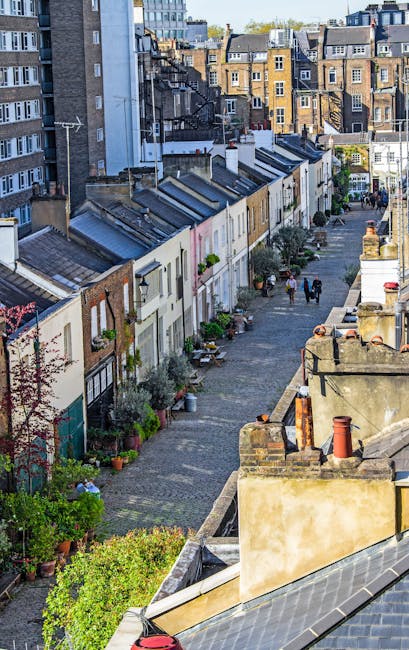
Balham is a district in south London within the London Borough of Wandsworth, positioned on the northern edge of the borough and closely linked to nearby areas such as Clapham, Streatham and Tooting. Its name is usually associated with the main shopping streets around Balham High Road and the transport interchange that includes both Balham Underground and Balham railway station, which together make the area a busy local centre. The district sits within the wider landscape of south-west London that developed rapidly during the nineteenth and early twentieth centuries, when transport improvements and suburban expansion reshaped many parts of the capital. Around Balham, that growth left a varied mix of building styles, from Victorian and Edwardian terraces to later apartment blocks and commercial premises along the main routes. Open space is an important part of the local character too, with Wandsworth Common nearby providing broad grassland, trees, paths and recreational areas that contrast with the denser streets around the high road. The area has also been shaped by a lively everyday culture, with independent shops, cafes, pubs and services clustered near the station and along the surrounding roads. Like many London districts, Balham combines residential streets, busy transport links and established local amenities, creating a place that feels both strongly urban and distinctly neighbourhood-based. Its position between larger centres means it is often experienced as a practical everyday place rather than a destination defined by one single landmark, yet the combination of green space, transport access and historic streets gives it a clear identity of its own.
Tools, access and the way the work is planned
Good hedge trimming relies on more than cutting technique. Access, hedge height and the amount of surrounding planting can all influence how the work is planned. If the hedge is close to a wall, fence or fragile bed, extra care may be needed to keep the line clean without damaging nearby features. In some gardens, the work is simpler when access is open from both sides; in others, only one side can be reached, which naturally affects how the job is approached.
For practical planning, it is useful to know whether the hedge is loose, dense, thorny, high enough to need more careful handling, or positioned over hard surfaces where clippings need to be managed neatly. We do not need a long description of the whole garden, but a few accurate notes can make the quotation more useful. Where the hedge is part of a wider boundary, it may also help to say whether you want a uniform look across the entire length or a particular section given priority.
When customers ask for a quotation, they often find it helpful to include one or two clear photographs and a short description of the end result they want. That is usually enough to show whether the task is routine shaping, a heavier cut or a controlled reduction. If the hedge is large, uneven or difficult to reach, mention that too. Specifics save time and reduce guesswork, which is especially useful when several parts of the garden need to be considered together.
Hedge work that supports privacy, light and structure

Many hedge trimming requests are really about getting the right balance between privacy and openness. A hedge can screen a garden, soften a boundary or frame a path, but if it becomes too heavy it may block too much light or begin to lean into the usable space. Our service is designed to keep that balance under review so the hedge remains useful as a feature rather than becoming a maintenance problem in itself.
Some hedges are grown for a crisp, formal line, while others are meant to feel more relaxed and integrated with the rest of the planting. The cutting method should suit that purpose. We can trim for symmetry where the hedge forms a clear architectural edge, or we can work more subtly where the hedge sits within mixed borders and needs to stay in proportion with trees, shrubs and lawn areas nearby. The best result is the one that suits the garden’s layout, not simply the one that removes the most growth.
When asking for a quotation, it is helpful to say whether the hedge is meant to stay at its current size or whether you want it reduced to a lower line. If you have more than one hedge, it is often easier to list them separately, especially if they differ in height or condition. That gives a clearer basis for pricing and helps make sure the work matches the garden’s priorities rather than treating every hedge as identical.
Additional services and broader outdoor care
Some customers want a trimmed hedge as part of a larger clear-up. In that case, a linked service such as garden clearance may be relevant where the garden has accumulated more cuttings, dead material or unwanted growth than routine maintenance would usually handle. If tree work is also part of the site, tree-lopping-and-removal may be a separate subject, but only where the work genuinely relates to trees rather than hedge maintenance.
We can also support gardens that need regular upkeep beyond a single visit. The services overview gives a broader sense of the range available, while decking-services may be useful for properties where the garden includes a built outdoor area that sits alongside the planting. These pages are helpful if you are deciding whether hedge trimming is the only task or part of a wider plan for the space.
If the garden is being brought into better order after a period of neglect, the work often benefits from sequencing. Trimming the hedge first can reveal what else needs attention, while a wider tidy-up can make the hedge line easier to assess. Either way, it is usually better to set out the main priorities from the outset. That leads to a more practical quotation and helps ensure the right tasks are discussed before anything is booked in.
Quotations, scheduling and what to include

If you are ready to request a quotation, keep the information focused and relevant. The most useful points are the hedge location, the approximate length and height, whether trimming is needed on one side or both, and whether you want routine shaping or a more noticeable reduction. It also helps to mention if the hedge has access from the rear, if clippings need careful handling, or if nearby features such as paving and planting beds need extra protection.
For customers comparing options, it can be sensible to think about the hedge’s condition before deciding how soon the work needs to happen. A hedge that is still in reasonable shape may simply need routine care, while one that has become overgrown may need a more involved visit and a different approach to cutting. That distinction is often the clearest way to describe the job and can save time when you are asking for a quotation from a local service team.
For the next step, send a short description of the hedge and ask for a quotation in plain terms. If you would like to discuss a straightforward trim, a larger reduction or hedge work as part of a broader garden tidy, we are ready to help. Request a quotation here.